What if your idea of beach life has less to do with crowds and boardwalk shops and more to do with quiet roads, shoreline views, and a strong sense of local tradition? If you are thinking about living near the water in Kitsap County, Indianola offers a different pace that feels tucked away while still staying connected to the rest of the region. Here’s a closer look at what it’s like to live in Indianola, from the waterfront lifestyle to getting around and what you can expect from the housing market.
Indianola has a quiet waterfront feel
Indianola is a small rural community in unincorporated Kitsap County on the north shore of Port Madison, with an estimated population of about 3,600 according to Kitsap County’s 2024 traffic review. The same county review notes that the area began with a ferry dock in 1916 and is primarily zoned rural reserve or tribal land. That history and land pattern help explain why Indianola feels more residential and shoreline-focused than commercial.
In day-to-day life, the setting tends to feel calm and local. Indianola Road and South Kingston Road serve as the main access corridors, while much of the rest of the street network is made up of local roads. For many buyers, that translates into a slower, more tucked-away atmosphere that can feel very different from busier waterfront destinations.
Waterfront life centers on the pier and club spaces
One of the most recognizable local features is Indianola Pier. The Washington Department of Fish & Wildlife lists it as a public fishing pier with parking and railings, and it is also known as a good spot for squid jigging. That gives residents a public place to enjoy the shoreline, whether you want to fish, take in the water views, or simply spend time outdoors.
The pier also connects to Indianola’s long relationship with the water. Visit Kitsap describes the dock area as a place where ferry history, fishing, crabbing, kayaking, and community gatherings remain part of local life. If you are drawn to neighborhoods where the waterfront still plays a practical and social role, that is a big part of Indianola’s appeal.
The Indianola Beach Improvement Club matters here
A major part of community life in Indianola is tied to the Indianola Beach Improvement Club, often called IBIC. The club maintains several community-use spaces, including Rose Marie’s Park, Gill Park, and a clubhouse that is also available for rentals. These places support the area’s low-key, resident-centered feel.
Rose Marie’s Park is a private picnic and boat-storage area for IBIC members, Indianola residents, and their guests. It is open from dawn to dusk, and the club notes that overnight camping and beach fires are not allowed there. The club also maintains a boat rack for small boats, kayaks, canoes, and paddle boards, which reinforces how much everyday recreation in Indianola is connected to the shoreline.
Not all shoreline access is public
This is one of the most important details to understand if you are considering a move to Indianola. While Indianola Pier is public, shoreline access in the area is not broadly public. Some waterfront spaces are private or club-managed, so it is smart to understand what type of access comes with a specific property or location.
That distinction can shape your experience of beach life here. In Indianola, waterfront living is often more about knowing the local access points, community spaces, and property-specific features than expecting open public shoreline throughout the area.
Getting around from Indianola
Indianola feels quiet, but it is not cut off. The main access corridors are Indianola Road and South Kingston Road, and Kitsap County classifies both as minor collectors. The county also identifies them as non-motorized routes, which adds useful context if walking or cycling is part of your routine.
For public transportation, Kitsap Transit Route 302 serves Indianola on weekdays between Suquamish and the Kingston Ferry Terminal. That route can be especially useful if you want an option beyond driving for part of your trip. For many residents, regional travel is less about highway commuting and more about connecting through Kingston.
Kingston is the key regional link
For longer trips, Indianola’s practical connection runs through Kingston and the Washington State Ferries system. WSDOT lists the Edmonds/Kingston route, and its route manual describes that ferry run as a main commuter and recreational link to the greater Seattle and Everett area. In other words, Indianola can feel locally quiet while still offering an established path to broader regional travel.
That setup appeals to many buyers who want distance from busier commercial areas without giving up access to the mainland. You may not get a freeway-style daily rhythm here, but you do get a lifestyle shaped by local roads, ferry timing, and a more coastal pattern of movement.
Homes in Indianola vary by setting and access
Indianola’s housing market is relatively small, which means listing counts and prices can shift quickly. Even so, the broad picture is fairly consistent. Zillow reported an average Indianola home value of $693,146 as of April 30, 2026, while Redfin reported 16 homes for sale and a median sale price of $539,000, and Realtor.com reported a March 2026 median listing price of $534,000 and described the market as a seller’s market.
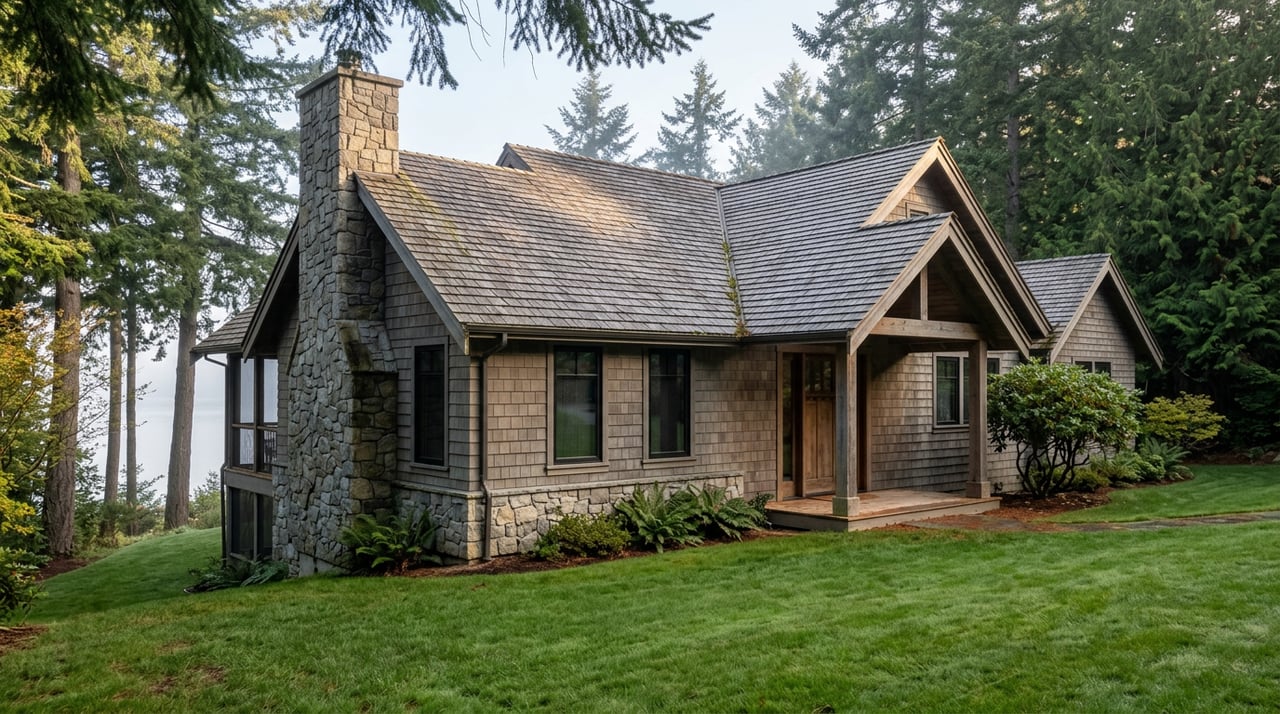
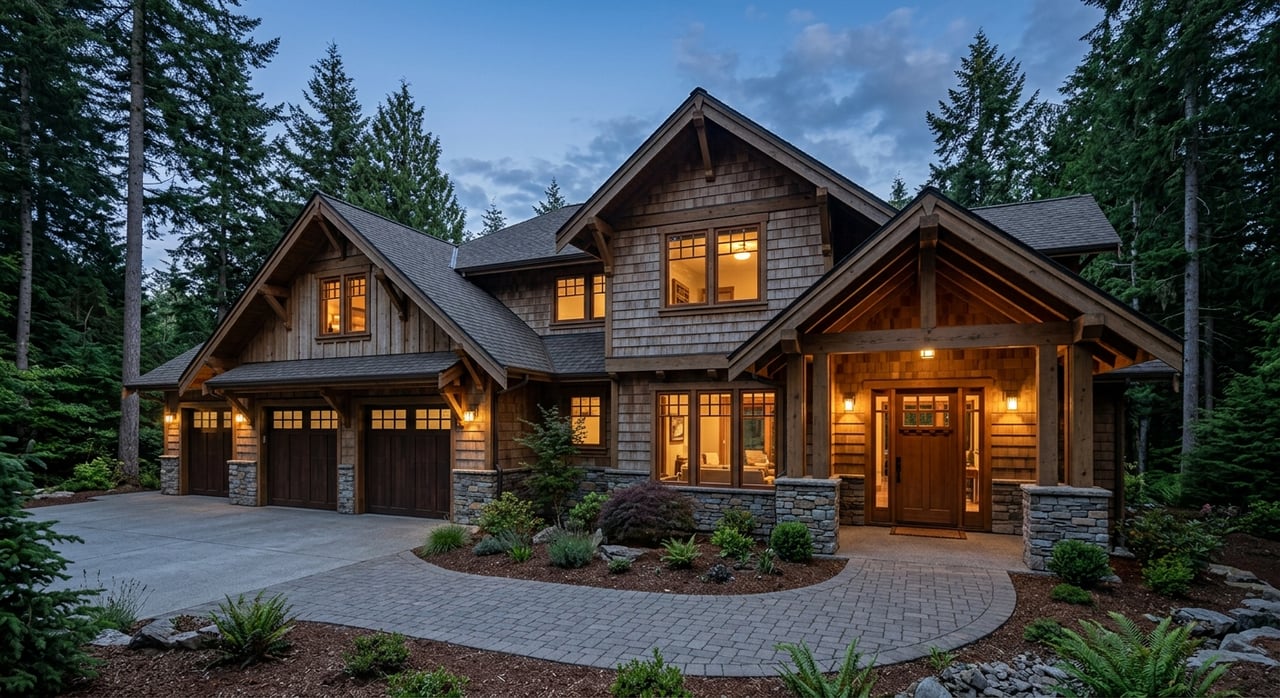
For buyers, the biggest takeaway is that Indianola has a wide pricing range for a small community. Market snapshots suggest the inventory is made up mostly of detached single-family homes, with occasional land listings as well. Price differences often reflect home size, lot size, and whether a property has water access or a stronger waterfront setting.
Waterfront homes can command a premium
Directional listing examples show that entry points can start in the low-to-mid $400,000s for smaller homes, while many single-family options land higher depending on condition and location. Waterfront examples can reach or exceed $1 million. In a place like Indianola, the value gap between a modest inland property and a premium shoreline home can be significant.
That is why local context matters so much when you start comparing homes here. Two properties in the same ZIP code can offer very different experiences depending on privacy, topography, lot configuration, and relationship to the water.
Who tends to like living in Indianola?
Indianola often appeals to buyers who want a quieter waterfront lifestyle and are comfortable with a small-community setting. You may appreciate it if you value shoreline recreation, local traditions, and a home environment that feels more residential than retail-driven. It can also make sense if you want regional access through Kingston without living in a more built-up ferry hub.
It may be especially appealing if you are looking for:
- A slower pace near the water
- A community with a strong local identity
- Access to fishing, kayaking, crabbing, or boating spaces
- Detached homes on varied lot sizes
- A location that feels tucked away but still regionally connected
What to know before you move
Before buying in Indianola, it helps to look closely at how a specific property fits your goals. Waterfront access, road connections, and community amenities can vary from one home to the next. In a smaller market, those details can have a big impact on both lifestyle and value.
A few questions worth asking include:
- Is the shoreline access public, private, or club-managed near this home?
- How close is the property to Indianola Road or South Kingston Road?
- Would you use Route 302 or the Kingston ferry connection regularly?
- Is the home inland, view-oriented, or waterfront?
- Are you looking for a full-time residence, a move-within-Kitsap home, or a second-home feel?
If Indianola sounds like the kind of place where you could put down roots, a neighborhood-level strategy can help you make a more confident move. Whether you are buying a tucked-away home near the water or preparing to sell a property that benefits from Indianola’s lifestyle appeal, working with a team that understands Kitsap’s smaller shoreline communities can make the process a lot clearer. When you’re ready to talk through your options, connect with Scott Ahern.
FAQs
What is daily life like in Indianola, Washington?
- Daily life in Indianola tends to feel quiet, residential, and shoreline-focused, with local roads, a small-community atmosphere, and a strong connection to the water.
Is Indianola Pier open to the public?
- Yes. The Washington Department of Fish & Wildlife lists Indianola Pier as a public fishing pier with parking and railings.
Is all shoreline in Indianola public?
- No. Indianola Pier is public, but some shoreline areas and parks are private or managed through the Indianola Beach Improvement Club.
How do Indianola residents get to Seattle or the mainland?
- Many residents connect through Kingston, using Route 302 on weekdays to reach the Kingston Ferry Terminal and then taking the Edmonds/Kingston ferry route.
What types of homes are common in Indianola?
- The visible market is made up mostly of detached single-family homes, with occasional land listings and a wide range of prices depending on size, lot, and water access.
Are homes in Indianola expensive?
- Prices vary widely, but current market snapshots show a broad range, from smaller homes in lower price tiers to waterfront properties that can exceed $1 million.