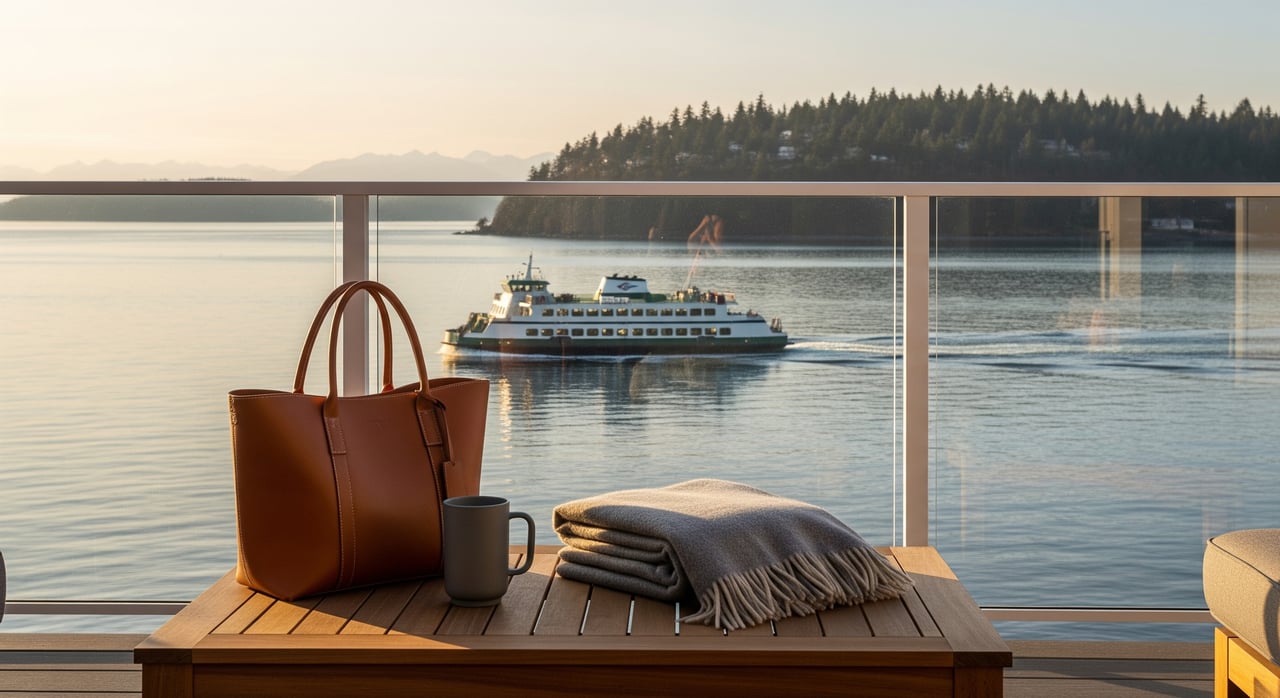
Thinking about living in Kingston but worried about the ferry commute? You are not alone. Many locals love the small-town feel and water views, yet they want a predictable way to reach jobs around Seattle. In this guide, you will learn practical, real-world tips to make your commute smoother, whether you walk on, drive aboard, bike, or mix modes. Let’s dive in.
Understand the Kingston to Edmonds ferry
There is no direct Kingston to Seattle vehicle ferry. The Washington State Ferries route connects Kingston and Edmonds. From Edmonds, you drive or use surface transit to reach Seattle. The ferry crossing itself typically takes about 25 to 35 minutes underway.
Schedules vary by day and season. Weekday mornings toward Edmonds and evenings back to Kingston are the busiest. Vehicles board on a first-come, first-served basis, and there are no reservations for cars on this route. Always check current traveler alerts and schedules before you head out.
Plan your timing
Arrival windows
- Walk-on passengers: arrive 15 to 25 minutes before departure on weekdays. Add extra time during summer weekends or holidays.
- Vehicles: plan to arrive 30 to 60 minutes before a peak sailing. During heavy periods, many drivers arrive even earlier due to first-come, first-served loading.
Peaks to avoid
- Morning peak: early departures from Kingston to Edmonds often fill fast.
- Evening peak: late afternoon and evening sailings back to Kingston are busiest.
If you can, choose an earlier or later ferry to sidestep the heaviest vehicle queues and to avoid the worst I-5 traffic windows after you land in Edmonds.
Use real-time tools
Before you leave home, check Washington State Ferries traveler alerts, terminal webcams when available, and the latest schedule page. Pair that with a traffic app to see expected delays between Edmonds and Seattle.
Parking, drop-off, and access at Kingston
The Kingston Ferry Terminal sits on WA-104 near downtown Kingston. It is an easy walk from the village core.
Where to park
- On-site terminal parking is limited and may have time limits. Capacity is tight during peak travel periods.
- Look for public lots in downtown Kingston and Kitsap Transit park-and-ride options nearby. Some municipal or private lots post restrictions. Always check the signs.
- Street parking in downtown can fill quickly. Verify time limits and enforcement.
Policies change, so confirm current rules with Kitsap County, the Port of Kingston, and Kitsap Transit.
Drop-off and carpooling
Use kiss-and-ride zones for quick drop-offs to avoid hunting for a space. Carpooling with neighbors and rotating parking duty can reduce daily stress and cost.
Biking to the boat
Bicycle racks are typically available near the terminal. Washington State Ferries allows bikes, but policies and space can change, so check current guidance. Lock your bike or consider a folding bike for added security and flexibility.
Walk-on, bike, and passenger-only strategies
If you live within about a mile of the terminal, walking on is often the fastest and least stressful choice. You avoid the vehicle line and parking altogether. Biking can also be efficient, especially when paired with a bus or a park-and-ride on the Edmonds side.
Passenger-only services in the region may be seasonal or subject to change. Verify any current passenger-only options for Kingston with Kitsap Transit before you plan around them.
Neighborhoods that simplify ferry life
Distance-based guidance
- Within 0.5 mile of the terminal: best for walk-on commuting. Short walks and fast mornings, no parking needed.
- 0.5 to 1.5 miles: a quick bike or short drive balances quiet streets with easy access.
- 1.5 to 5 miles: plan for a drive or local transit to the terminal, plus parking and possible WA-104 congestion.
Area types to consider
- Downtown and waterfront Kingston: compact village setting with immediate terminal access, shops, and restaurants. Great for walk-on commuters.
- WA-104 corridor neighborhoods: convenient vehicle access but can feel peak-period traffic.
- Outlying North Kitsap pockets: more rural and tranquil, but they add drive time and parking logistics.
Housing trade-offs
Condos and townhomes near the waterfront often reduce commute friction but may have higher prices or limited inventory. Single-family homes farther inland offer more space but add time for driving and parking. When we advise clients, we look at door-to-door commute time, not just distance.
Door-to-door planning to Seattle
Your total commute includes the trip to the terminal, loading time, the 25 to 35 minute crossing, unloading, and the surface leg from Edmonds to your workplace.
Driving from Edmonds to Seattle
Typical non-peak drive times from Edmonds to central Seattle are about 30 to 50 minutes. During peak I-5 congestion, add 15 to 45 minutes. Incidents and events can increase variability. If you have flexibility, target arrival windows that miss the worst of I-5.
Transit from Edmonds
Community bus routes can connect Edmonds with Lynnwood and North Seattle, with onward links to Link light rail. This often involves at least one transfer. Check current route maps and timing to align with your ferry’s arrival. Many commuters bike or walk from the terminal to connecting buses when the timing matches up.
Checklists to make it easy
Before your first week of commuting
- Review current WSF schedules, fares, and traveler alerts.
- Do a practice run at your target sailing time to see real queues and loading patterns.
- Confirm parking or drop-off options near the terminal, including time limits.
- Identify your Edmonds-side plan: drive route, park-and-ride, or bus connections.
- Pack for weather and variability: layers, a compact umbrella, and a spare phone charger.
- Set a backup plan for delays: remote-work option, alternate routes, or a later arrival window.
- Share your plan and expected arrival times with your employer or team.
Daily checklist
- Check WSF alerts and terminal conditions.
- Verify traffic conditions between Edmonds and your destination.
- Choose an earlier or later sailing if vehicle lines look long.
- Bring your fare media and ID.
- Lock your bike or confirm your ride-share pickup.
- Allow a 15 to 30 minute buffer on days with meetings or appointments.
Local hacks that help
- Walk or bike when you can. It reduces stress and time.
- Carpool with neighbors and rotate who parks.
- Stagger your commute to catch less crowded sailings and easier I-5 windows.
- Track your own typical delays so you can request flexible start times.
- Keep a home-office plan ready for weather or mechanical disruptions.
Is Kingston right for your commute?
If you can walk on, bike, or keep a flexible schedule, Kingston offers a genuine small-town lifestyle with a manageable ferry-first commute. The key is to plan for the full door-to-door journey and build in a smart buffer for the variables you do not control. If you are weighing homes by distance, focus on realistic time from your doorstep to your desk, not just the map.
Ready to explore homes that fit your commute and lifestyle? Reach out to Scott Ahern for local guidance, neighborhood insights, and a smooth, step-by-step buying or selling experience.
FAQs
Is there a direct Kingston to Seattle ferry?
- No. The state route connects Kingston and Edmonds; reaching Seattle requires a drive or transit leg from Edmonds.
How long does the Kingston to Seattle commute take door to door?
- Plan for 10 to 30 minutes to reach the terminal, 25 to 35 minutes on the ferry, and 25 to 60 or more minutes from Edmonds to central Seattle, plus buffers.
When should I arrive for a weekday morning ferry from Kingston?
- Walk-on passengers should arrive 15 to 25 minutes early; drivers should arrive 30 to 60 minutes early, earlier during heavy peaks or holidays.
What are my parking options near the Kingston terminal?
- Limited terminal parking, downtown public lots, and park-and-ride facilities may be available; always check posted signs and current rules.
Can I bike on the Kingston to Edmonds ferry and continue to Seattle?
- Yes, bikes are allowed on WSF, but policies can change; many riders combine bike and bus or bike and park-and-ride on the Edmonds side.