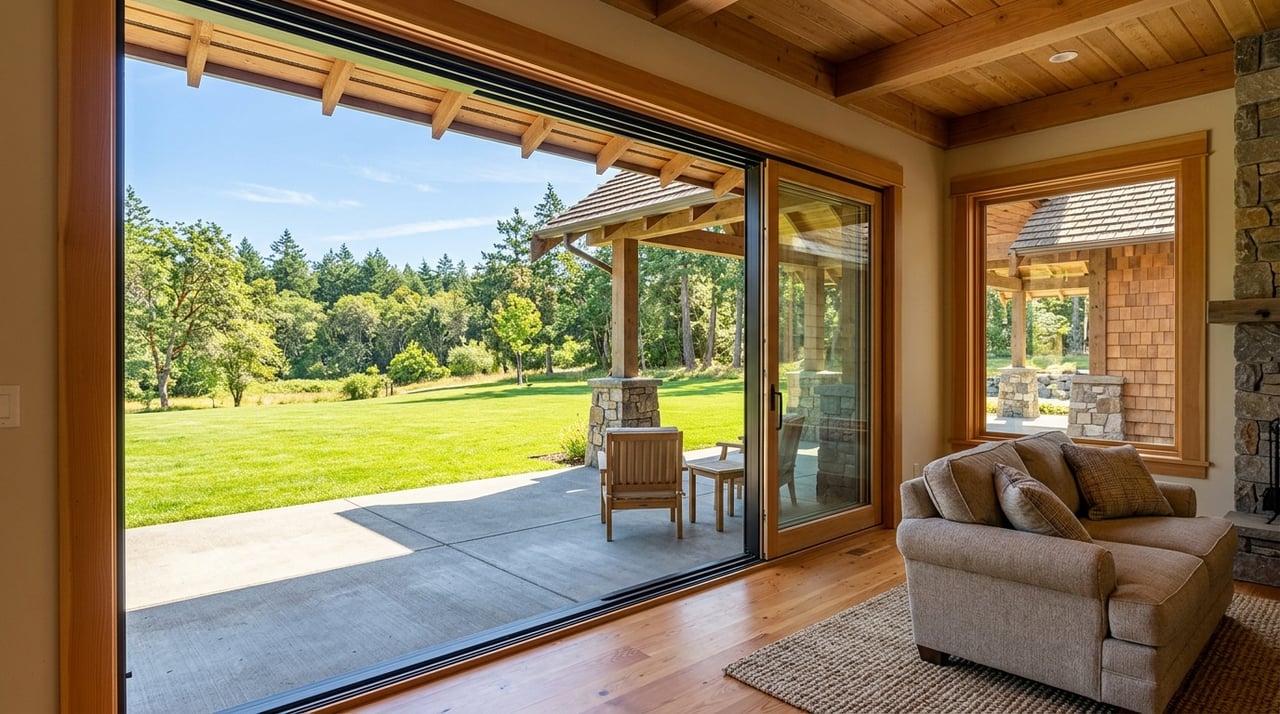
Thinking about trading traffic, gray skies, or a fast pace for a little more sun and breathing room? Sequim stands out for many buyers because it offers a small-city feel, a drier climate than many nearby communities, and a housing market built around detached homes, rural edge properties, and lifestyle-driven moves.
If you are considering a relocation to Sequim, it helps to look past the postcard version and understand how the market, housing options, and day-to-day logistics really work. This guide will walk you through what makes Sequim appealing, what homes you are likely to find, and what to check before you make the move. Let’s dive in.
Why Sequim attracts relocators
Sequim is a small city in Clallam County along SR 101, with an estimated 8,199 residents in 2024. Local city materials describe it as a small-town community with housing options that appeal to retired empty nesters and families, while Census data shows a largely owner-occupied market with 60.2% owner occupancy.
The city also has an older population profile, with 42.0% of residents age 65 or older and an average household size of 1.93 people. That does not define who belongs there, but it does help explain why many buyers see Sequim as a place for a slower pace, lower-maintenance living, or a lifestyle reset.
For some buyers, Sequim is a retirement move. For others, it is a remote-work move, a second-home search, or a chance to get more space than they may find in denser markets. In many cases, the draw is not just price. It is the combination of climate, layout, and lifestyle.
Sequim weather is drier, not dry
One of the biggest reasons people search for homes in Sequim is the weather. Sequim sits in the Olympic rain shadow, and the National Park Service says the town gets roughly 16 inches of rain per year, which is notably lower than nearby Port Angeles.
NOAA climate normals for the Sequim 2 E station show 16.85 inches of annual precipitation and a mean annual temperature of 48.9 degrees Fahrenheit. Late fall and winter tend to be wetter, while midsummer is much drier.
That said, it is important to keep expectations realistic. Sequim is better described as drier and more temperate than many west-side Olympic Peninsula communities, not as a place with no rain.
Sunshine still comes with property questions
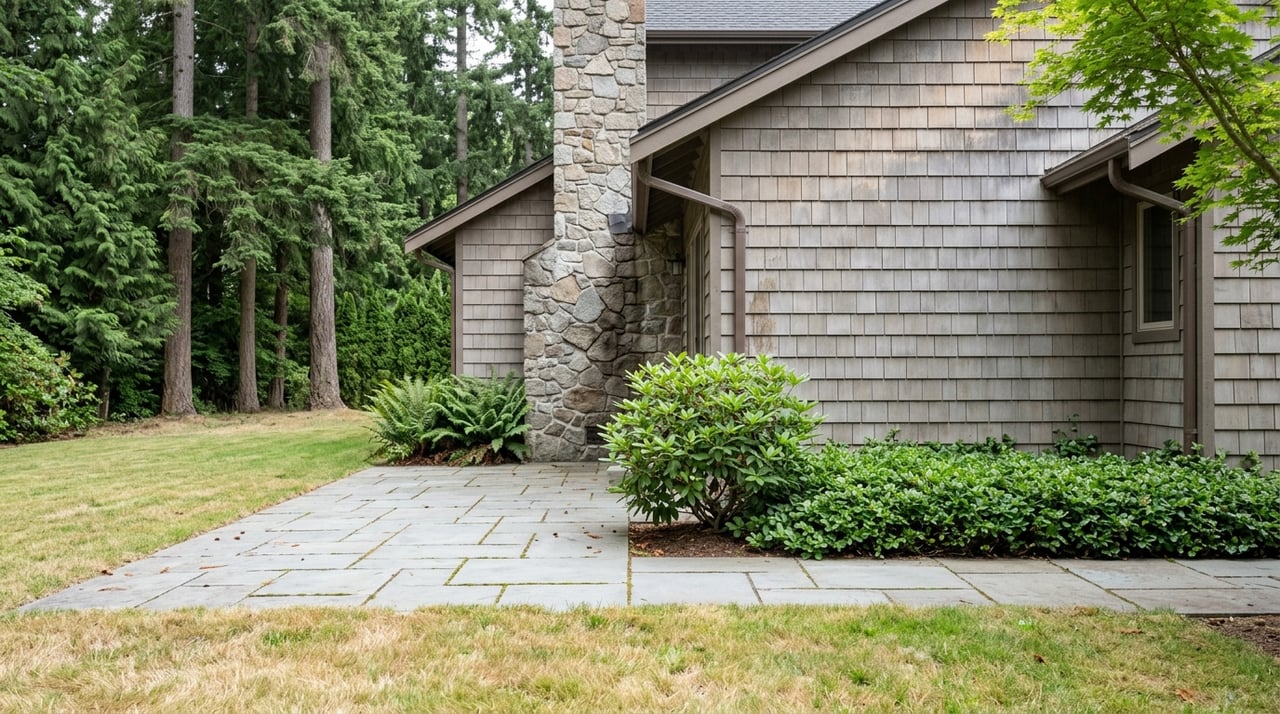
A drier climate does not mean you can ignore land and water issues. The city notes that stormwater often infiltrates through Sequim’s gravelly soils to recharge groundwater, and it also highlights irrigation water and low-snowpack years as important local concerns.
For you as a buyer, that means landscaping, drainage, irrigation, and water-source questions still matter. If you are looking at a home with acreage, gardens, or rural features, these details become even more important during due diligence.
Outdoor access is part of the lifestyle
Sequim’s location supports an outdoor-oriented routine that many relocators want. The city identifies SR 101 as a key access route to Olympic National Park, Olympic National Forest, and Victoria, B.C., and the Olympic Discovery Trail runs through town.
Just outside the city, the Dungeness National Wildlife Refuge adds another option for hiking and birdwatching. If your ideal move includes time outside, easier trail access, or a more nature-connected daily rhythm, Sequim offers that setting.
Remote work is realistic in Sequim
If you plan to work from home, Sequim has a practical advantage that matters. Census data shows that 90.3% of households report a broadband subscription, and 93.0% have a computer.
That does not guarantee every property will meet your exact tech needs, especially in more rural areas, but it does suggest that home-office life is common and workable in the city. For many relocation buyers, that makes Sequim a realistic option instead of just a weekend escape.
What homes you will find in Sequim
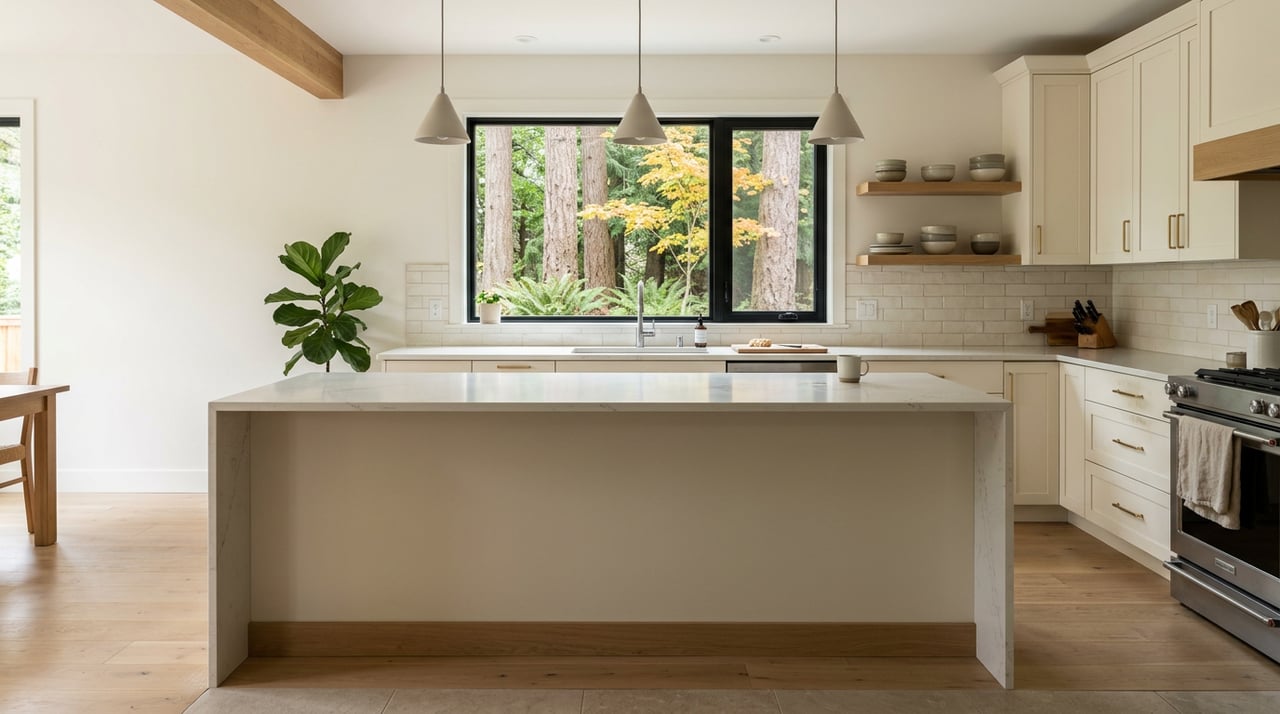
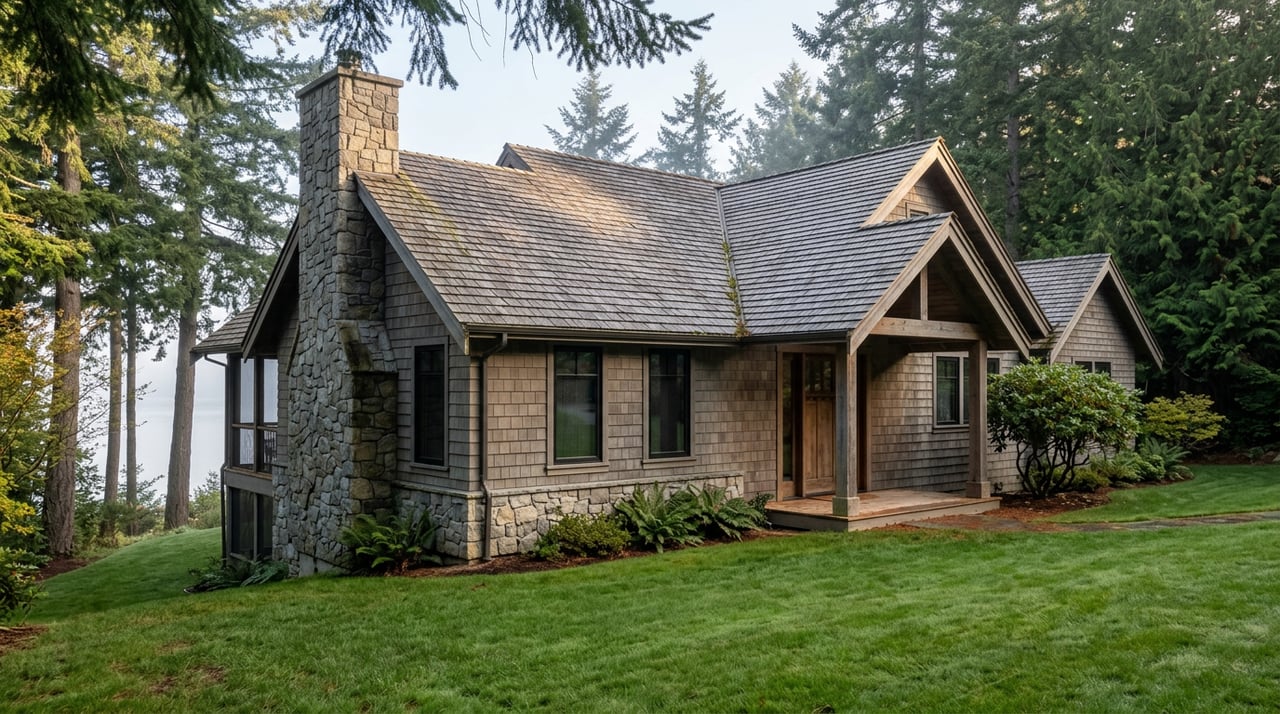
Sequim’s housing stock is still dominated by single-story, single-family homes. City planning documents also describe a modest downtown core, with suburban residential neighborhoods in the hills and a street network shaped by both a downtown grid and lower-volume residential roads with cul-de-sacs.
In simple terms, Sequim does not feel like a dense urban market. Even in town, the housing mix leans heavily toward detached homes, with some smaller-lot and mixed-use housing closer to the core.
In-town homes versus rural acreage
If you want acreage or a more rural feel, that usually means looking outside the city center. Clallam County’s Sequim-Dungeness Regional Plan says land immediately north and southwest of the city is generally designated for Rural Neighborhood Conservation with a five-acre base density.
Within the Sequim urban growth area, the county says the maximum lot size for new land divisions should be less than one acre, with lots greater than 10 acres allowed only by exception. The practical takeaway is simple: acreage is part of the Sequim story, but it is more common in county-designated rural areas than inside the city itself.
Retirement-oriented housing is a real segment
Sequim has a meaningful range of housing for buyers who want lower-maintenance or age-oriented options. City planning materials note that senior residents live in several housing types across the community, including planned retirement communities, freestanding retirement buildings, modular or mobile home communities, assisted-living facilities, and single-family homes.
That variety matters because it gives you more than one path into the market. Depending on your goals, you might compare a detached home, a manufactured-home community, or an age-oriented neighborhood instead of assuming one type will fit everyone.
What the Sequim market looks like now
Recent data points to a market that is active without being extremely overheated. Redfin reported that in March 2026, the median sale price in Sequim was $489,950, up 1.5% year over year, with homes selling in about 20 days and averaging two offers.
Zillow reported a typical home value of $562,161 as of March 31, 2026, with a February 2026 median sale price of $495,250, 132 homes for sale, 41 new listings, and about 42 days to pending. These are different measurements, so they should not be treated as identical, but both suggest a market centered around the high-$400,000s to low-$500,000s.
The biggest thing to understand is that Sequim is not a bargain-basement market. For many buyers, this is a lifestyle move as much as a budget move.
What different budgets may buy
When your budget falls below the current roughly half-million-dollar median sale range, you will usually need to make trade-offs. That may mean choosing a smaller or older in-town home, a manufactured-home option, a property with deferred maintenance, or a less updated home on a compact lot.
As your budget moves above the median, your options often expand toward updated detached homes, larger lots, more privacy, or acreage. That pattern fits Sequim’s housing mix, where detached homes remain the core product and rural properties tend to come with a premium tied to land and setting.
Renting first can make sense
Some relocation buyers benefit from trying the area before buying. Census data shows a median gross rent of $1,094, while median selected monthly owner cost with a mortgage is $1,705.
Those figures are not a direct rent-versus-own calculator, but they do provide useful context. If you are unsure which part of the Sequim area fits your routine best, a short rental period may help you narrow your search with more confidence.
Getting to Sequim takes planning
Sequim is accessible, but it is not a direct hop from Seattle. WSDOT lists major ferry routes such as Seattle/Bainbridge, Seattle/Bremerton, and Edmonds/Kingston, while the city identifies SR 101 as the main access corridor through Sequim.
If you are moving from the Seattle side or from farther away, your travel plan will usually involve ferry timing and then a highway drive across the peninsula. For many buyers, that is part of the appeal. For others, it is an adjustment that deserves honest consideration.
Hood Canal Bridge matters
One of the biggest logistics variables is the Hood Canal Bridge. WSDOT says the bridge can close to vehicle traffic during storms with sustained winds above 40 mph, and it also notes that the bridge is not a toll road.
If you expect to travel back and forth regularly, especially during winter or stormy periods, this is worth factoring into your schedule and expectations. It may not be a deal breaker, but it is part of real-life access planning.
You may still want a car
Sequim does offer some transit options. The city says Clallam Transit Route 30 connects Sequim and Port Angeles, Interlink provides on-demand local service, Strait Shot serves the Kingston Ferry connection, and Jefferson Transit Route 8 runs between Port Townsend and Sequim.
At the same time, the city also says rideshare and taxi service are very limited. So while car-light living may be possible for some households, most relocation buyers should assume a car will still be important for daily convenience.
Small-airport access is limited
Clallam County says Sequim Valley Airport is about three miles west of the city and operates as a privately owned but public-use general aviation airport. It does not offer commercial passenger service.
That is useful if you are a private pilot or simply like knowing local aviation options, but it does not replace the need for broader travel planning if you fly often for work or family.
Rural property due diligence is essential
If you are drawn to land, waterfront, or a buildable lot, be ready to investigate early. Clallam County says residential setbacks are intended to protect drinking wells and septic drainfields, with additional setbacks for shorelines, bluffs, wetlands, habitat areas, and some resource zones.
That means rural property searches should go beyond the listing photos quickly. Before you get too attached, ask about septic systems, wells, access, and setback constraints so you understand what the property can realistically support.
How to know if Sequim fits you
Sequim may be a strong fit if you want a small-city setting, a drier climate than many nearby towns, and a market centered on detached homes and lifestyle-driven choices. It can also make sense if you value outdoor access, home-office potential, or the option to choose between in-town convenience and a more rural edge.
It may be less ideal if you want dense urban amenities, fully car-free living, or deeply discounted home prices. The market today suggests you are often paying for a specific way of life, not just square footage.
For many buyers, that is exactly the point. Sequim offers sunshine, space, and a slower rhythm, but the smartest relocation decisions happen when you match that lifestyle with realistic expectations about housing, access, and property details.
If you are weighing a move and want help comparing Sequim with other Peninsula and Puget Sound options, Scott Ahern can help you plan your next step with local insight and a clear process.
FAQs
What is the weather like when relocating to Sequim?
- Sequim is known for being drier than many nearby Olympic Peninsula communities because it sits in the Olympic rain shadow, with roughly 16 inches of annual precipitation rather than a no-rain climate.
What types of homes are common in Sequim?
- Sequim’s housing stock is mainly detached single-family homes, with additional options that include smaller-lot housing near downtown, manufactured-home communities, retirement-oriented housing, and rural acreage outside the city core.
What is the typical home price in Sequim?
- Recent market data places Sequim’s median sale price around the high-$400,000s, with different sources reporting figures near $490,000 to $495,000.
Is Sequim a good place for remote workers?
- Sequim can work well for remote buyers because 90.3% of households report a broadband subscription, though you should still confirm service details for any specific property, especially in rural areas.
What should buyers check before purchasing acreage near Sequim?
- Buyers looking at acreage or rural parcels should ask early about wells, septic systems, access, drainage, irrigation needs, and setback constraints tied to environmental or utility conditions.