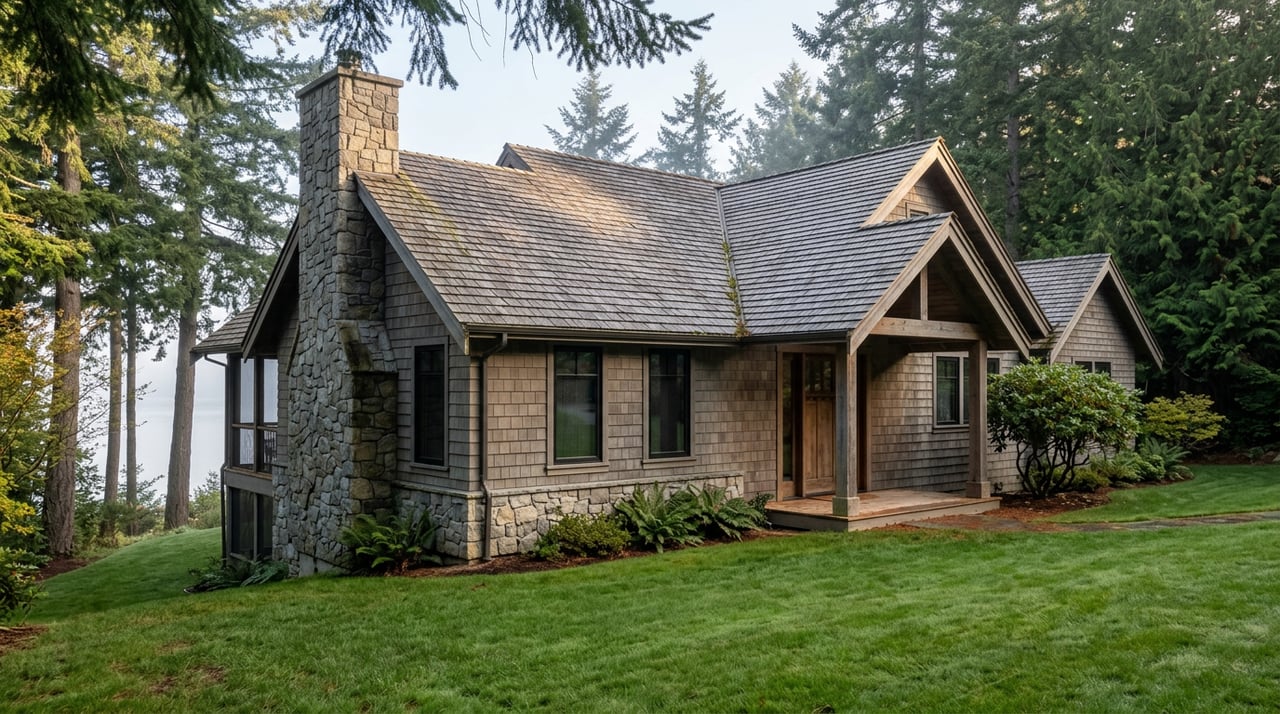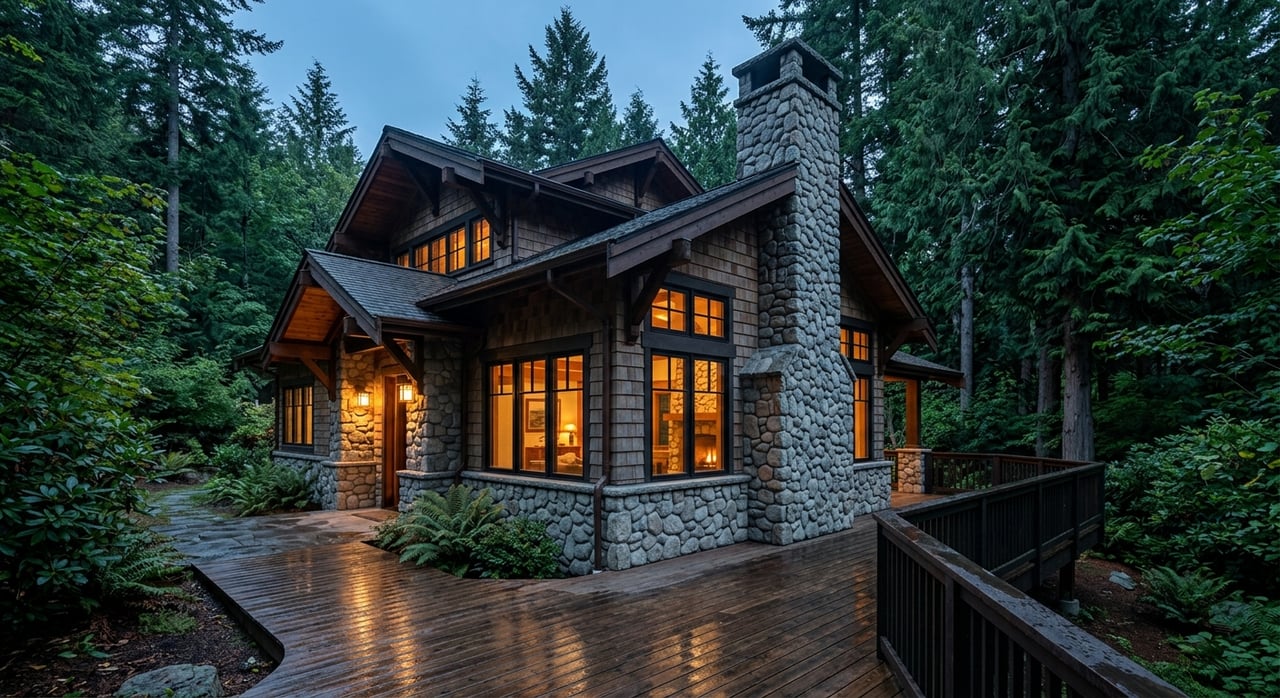
Dreaming about a cabin where weekends feel quieter, the water is close, and the drive does not take all day? Seabeck often catches buyers’ attention for exactly that reason. If you are thinking about buying a second home or cabin here, the biggest wins usually come from doing the right homework before you fall in love with a view. Let’s dive in.
Why Seabeck Works for a Second Home
Seabeck offers a mix that is hard to fake: Hood Canal shoreline, forested surroundings, and outdoor recreation in one setting. Scenic Beach State Park adds to that appeal with trails, a rocky saltwater beach, Olympic Mountain views, and opportunities for kayaking, paddleboarding, swimming, and boating nearby.
For many buyers in the greater Puget Sound region, Seabeck feels like a retreat without being too far removed from everyday life. Washington State Parks notes that the Kitsap Peninsula is a road-trip-friendly destination and more accessible by car than the Olympic Peninsula. That balance can make Seabeck especially appealing if you want a getaway you will actually use.
Start With Parcel Basics
A second home purchase in Seabeck is not just about the cabin itself. It is also about whether the parcel supports how you want to use the property. In Kitsap County, that means verifying zoning, parcel size, tax information, easements, permits, critical areas, and whether the lot is considered legal.
Kitsap County recommends starting with Parcel Search and the PREP Report Map before you buy or build. If a lot was created by a plat, short plat, large lot, or binding site plan, the county considers it legal. If it was created another way, or if you are not sure, a legal-lot determination may be needed.
That step matters more than many buyers expect. A property can look ideal online, but unresolved parcel questions can affect financing, future improvements, and your ability to use the home the way you planned.
Check Access Before You Commit
Beautiful settings do not always come with simple access. In Seabeck, road access can be one of the most important parts of your due diligence, especially for wooded or more private parcels.
Kitsap County requires a Road Approach Permit for a new driveway or significant driveway changes. If access runs through a private easement, you will also want to confirm that the easement gives you the right to use it. When road work extends into a county right-of-way, added road, stormwater, and right-of-way permits may apply.
In practical terms, this means you should look beyond the listing photos. Ask how you get to the property, whether the existing access is documented, and what approvals could be required if you plan to improve it.
Verify Water and Septic Early
For many second homes and cabins, utility questions are what separate a fun idea from a workable purchase. In Seabeck, water and septic deserve early attention, especially on properties outside more typical suburban utility patterns.
Kitsap Public Health says buyers of homes with septic systems should know the system status before closing. The district can review records, inspect the system, and provide a written report. For private or Group B water systems, a Water Status Report is required before sale, and applications should be submitted 30 days before transfer.
Those are not small details. In 2025, Kitsap Public Health reported significant deficiencies in 27% of septic conveyance inspections and 44% of private water status reports. If you are buying a second home, getting clear answers before closing can help you avoid costly surprises after move-in.
Private wells also need ongoing attention. Kitsap Public Health recommends testing private wells for bacteria annually and nitrate every three years. If you are considering a cabin with a private well, that should be part of both your purchase review and your long-term maintenance plan.
Waterfront vs. Wooded Parcels
Seabeck buyers often narrow their search into two broad categories: waterfront parcels and wooded interior parcels. Each can offer a very different ownership experience.
Waterfront parcels in Seabeck
Waterfront property can be incredibly appealing, but it usually comes with more layers of review. In Kitsap County, waterfront lots fall under the Shoreline Master Program. Marine shorelines are regulated as shorelines of the state, shoreline parcels receive an environment designation, and shoreline buffers vary based on that designation.
The county also notes that top-of-slope and view-blockage setbacks can be larger than the shoreline buffer. While no additional shoreline permit is required for a single-family residence at this time, other shoreline reviews or permits may still apply depending on the project.
That is why waterfront due diligence should go beyond the obvious question of whether you love the view. You will also want to understand setbacks, drainage, erosion exposure, and what future changes may or may not be allowed.
Sea level and shoreline risk
Long-term shoreline exposure is part of the conversation in Kitsap County. The county’s sea-level-rise assessment says coastal erosion, flooding, and inundation risks are already being seen along the marine shoreline, and county project materials include a Seabeck inundation-area map.
For a second-home buyer, this is less about alarm and more about planning. It can shape how you think about drainage, erosion control, armoring decisions, and future adaptation options over time.
Wooded or interior parcels in Seabeck
Wooded parcels can offer privacy and a classic cabin feel, but they are not automatically simple. Kitsap County advises buyers to check for wetlands, streams, steep slopes, and other critical areas, and notes that tree removal or clearing can require permits.
That means an inland parcel may raise questions about grading, drainage, vegetation management, setbacks, and whether the site can support your intended use. If your goal is a quiet retreat with fewer shoreline rules, that can still be a smart fit, but you will want a clear understanding of the land before you move forward.
Think Carefully About Short-Term Rental Plans
Some buyers hope a second home can help offset costs through nightly rentals. In Seabeck, that idea may be possible for some properties, but it should never be assumed.
Kitsap County says short-term rental policy has been under development since 2019, and county code defines a vacation rental as a dwelling unit used by non-owners for less than 30 calendar days. If rental income is part of your plan, verify the parcel’s allowed use and current permit requirements before you rely on that strategy.
It also helps to understand seasonality. Visit Kitsap’s tourism dashboard shows unincorporated county short-term rental occupancy at 36.7% in January 2025, rising to 80.0% in July and 77.0% in August, then easing to 55.0% in November. That pattern suggests summer may bring the strongest demand, while shoulder and winter seasons may be softer.
Plan for Seasonal Ownership
A Seabeck cabin is often a lifestyle purchase first. Because of that, it helps to think through ownership patterns before you buy, not just the excitement of the first summer.
NOAA climate normals from nearby Bremerton show 56.93 inches of annual precipitation, with wetter conditions in late fall and winter and drier weather in midsummer. For second-home owners, that often means winterization, roof and gutter care, drainage, and moisture control should be part of the plan.
If you will not be at the property full time, create a realistic maintenance checklist. A cabin that sits empty during wetter months needs steady oversight to stay comfortable and ready for use.
A Smart Due Diligence Checklist
If you are comparing cabins or second homes in Seabeck, keep this checklist handy:
- Confirm zoning, parcel details, and legal-lot status
- Review easements and verify physical and legal access
- Check whether driveway or road improvements may require permits
- Review septic records and inspection results before closing
- Confirm private water or Group B water system status early
- Ask whether a private well needs current water-quality testing
- Identify wetlands, steep slopes, streams, or other critical areas
- For waterfront lots, review shoreline designation, setbacks, and long-term exposure considerations
- If you hope to use the property as a vacation rental, verify allowed use and current county requirements
- Build a maintenance plan around seasonal weather and periods of vacancy
Why Local Guidance Matters
In Seabeck, two properties can look similar on the surface and come with very different rules, risks, and ownership costs. That is especially true when you are evaluating waterfront lots, cabins with septic or well systems, or parcels with access questions.
A local, process-driven approach can help you sort through those details before they become expensive problems. When you understand the parcel as well as the home, you are in a much better position to buy with confidence.
If you are considering a second home or cabin in Seabeck, working with a team that understands Kitsap County property details can make the process feel clearer and more manageable. When you are ready to talk through locations, parcel questions, or waterfront considerations, connect with Scott Ahern for informed, local guidance.
FAQs
What makes Seabeck appealing for a second home or cabin?
- Seabeck offers Hood Canal shoreline scenery, forested recreation, and relatively easy regional access, with Scenic Beach State Park adding trails, beach access, and water activities.
What should you verify before buying land or a cabin in Seabeck?
- You should verify zoning, legal-lot status, easements, parcel size, tax information, permit history, and whether critical areas affect the property.
What utility issues matter most for a Seabeck second home?
- Water and septic are key. Buyers should review septic system status, confirm private or Group B water system requirements, and consider well testing where applicable.
What should waterfront buyers in Seabeck know?
- Waterfront parcels may be subject to shoreline rules, buffers, setbacks, and long-term erosion or inundation considerations, so extra parcel-specific review is important.
Can you use a Seabeck cabin as a short-term rental?
- Possibly, but you should verify the parcel’s allowed use and current county requirements before relying on short-term rental income as part of your purchase plan.
How does weather affect owning a second home in Seabeck?
- The area sees wetter conditions in late fall and winter, so owners should plan for winterization, drainage, roof and gutter care, and moisture control during vacant periods.