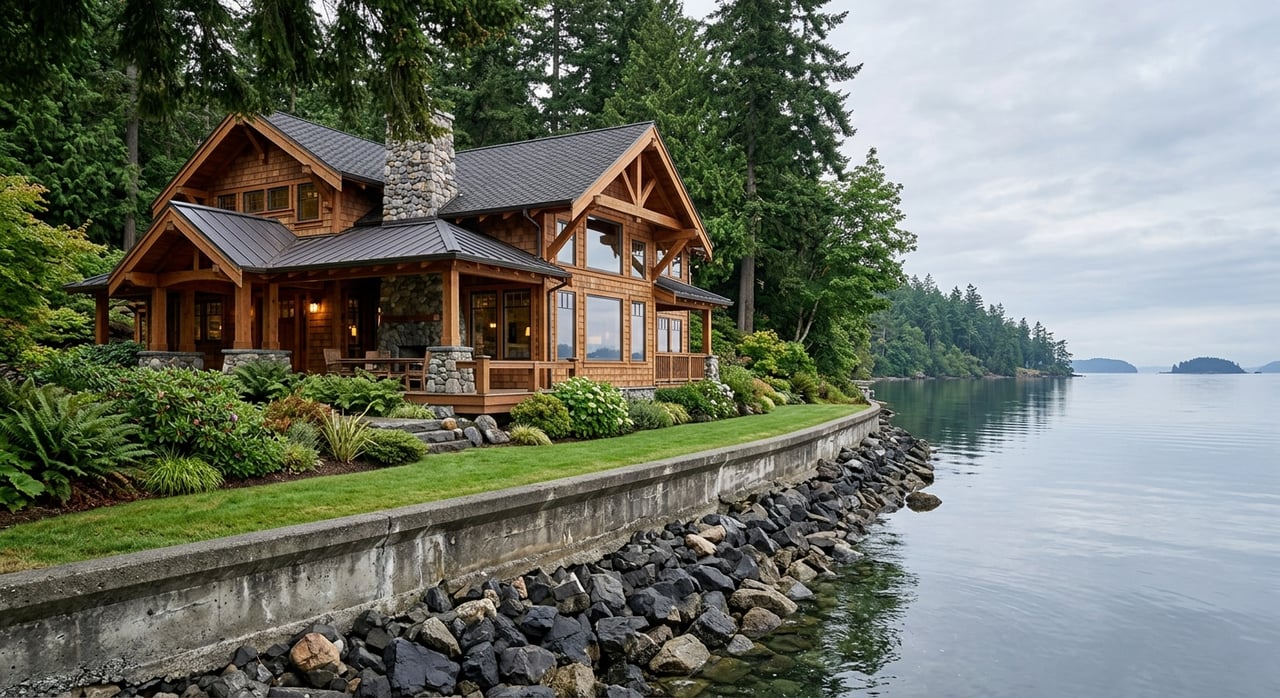
If you are drawn to the idea of living near the Indianola Pier, you are probably picturing easy water access, a strong sense of place, and that unmistakable small waterfront community feel. That appeal is real, but so are the tradeoffs that come with buying close to one of Indianola’s best-known public gathering spots. Before you make an offer, it helps to understand how shoreline rules, property systems, and day-to-day activity can shape both your lifestyle and your long-term plans. Let’s dive in.
Why the Indianola Pier Area Feels Different
The area around the Indianola Pier is not just another waterfront street. According to Kitsap County trail planning materials, the Indianola dock is a local landmark, and public beach access in Indianola is limited.
That matters because the pier acts as a central public focal point. The same county materials note two public access points in the area: the Port of Indianola dock and a county-owned beach access near the west end of Shore Avenue with very limited parking. For you as a buyer, that can mean a lifestyle boost if you want walkable access to the water, but it can also mean more seasonal foot traffic and parking pressure than you may find farther inland.
Indianola also has an active community rhythm. The Indianola Beach Improvement Club calendar shows Indianola Days scheduled for July 24 to July 26, 2026, and Kitsap County’s parks inventory describes Indianola Waterfront & Woodland as an 81-acre demonstration park with fishing, picnic areas, restrooms, viewpoints, walking trails, and water access.
What Living Near the Pier Can Mean
Buying near the pier is often about more than the house itself. You are also choosing a micro-location with its own patterns of use, visibility, and privacy.
Walkable water access and community feel
For many buyers, the biggest draw is obvious. Living nearby can put you close to public water access, shoreline views, trails, and a recognizable gathering place that gives Indianola much of its identity.
If that lifestyle is your priority, being close to the pier may feel like a major win. You may enjoy the convenience of getting to the waterfront without needing to drive, especially in a community where much of the beach access is private.
Visitor traffic and parking pressure
The flip side is that public access tends to concentrate activity. Because parking is limited and access points are few, homes closest to the pier may experience more visitor presence during busy seasons and local events.
That does not make the area a bad fit. It simply means you should visit at different times of day and on different days of the week so you can get a realistic feel for traffic, noise, and parking conditions.
Shoreline Rules Matter More Than You Think
If you are considering a waterfront or near-water parcel around Indianola Pier, shoreline regulations should be high on your checklist. A property that looks flexible from the street may come with meaningful limits on what you can change.
According to Kitsap County’s Shoreline Master Program, marine shorelines are regulated as shorelines of the state and generally include land within 200 feet of the ordinary high-water mark. The county also notes an additional 15-foot building setback beyond the shoreline buffer.
Buffer requirements near the shoreline
Buffer size depends on the shoreline environment designation. The county lists standard buffers of:
- 50 feet for High Intensity
- 85 feet for Shoreline Residential
- 100 feet for Urban Conservancy
- 130 feet for Rural Conservancy
- 200 feet for Natural
A county hearing examiner staff report for the Indianola dock area identifies the immediate area as Shoreline Residential, which is useful context because that designation carries an 85-foot minimum shoreline buffer.
Common projects that may trigger review
For a buyer, the practical takeaway is simple. Work that seems minor can still require shoreline review, mitigation, or both.
This can include:
- Expanding the home
- Adding or changing stairs
- Proposing dock-related work
- Grading near the shoreline
- Removing vegetation
Kitsap County also states that shoreline improvements are heavily conditioned. The county prefers buoys over piers, docks, and floats when feasible, discourages single-use moorage in many situations, and expects demonstrated need and environmental review for many new overwater structures.
Bluffs, Erosion, and Bulkheads Deserve Close Review
Views and shoreline setting can be a huge part of the appeal near Indianola, but they should be weighed alongside site stability. In this area, bluff conditions and erosion risk can affect both maintenance planning and future improvements.
In Kitsap County’s sea-level-rise report, the long-term bluff recession rate at Point Jefferson near Indianola is listed at -0.22 feet per year. The county also cautions that these figures are approximations and should be used with site-specific judgment.
Why setbacks may be larger than expected
The shoreline buffer is not always the only limit in play. Kitsap County’s guidance on building near shoreline or steep slopes explains that top-of-slope setbacks and view-blockage standards can be larger than the shoreline buffer.
That means a parcel may look buildable on paper and still face additional geotechnical or design constraints. If you are thinking about remodeling, adding square footage, or changing the site, this is an area where early due diligence matters.
Bulkheads are not always simple solutions
County environmental guidance also emphasizes avoiding unnecessary shoreline armoring. Through Kitsap County Environmental Programs, owners can learn about Shore Friendly Kitsap, which assists waterfront property owners who want to voluntarily remove all or part of an old bulkhead.
The county’s guidance also notes that in some low-erosion areas, bulkheads may be unnecessary and costly to maintain. If a home you are considering has existing armoring, it is worth asking not just whether it exists, but what condition it is in and what future obligations may come with it.
Septic and Water Checks Are Essential
For shoreline-area homes in Indianola, septic and water review is not a box to rush through. It is one of the most important parts of your due diligence.
According to Kitsap Public Health, buyers and sellers should verify septic and water status before closing. The district reviews septic records, inspects systems, and provides written reports. It also states that properties served by a private or Group B water system are required to have a Water Status Report before sale.
Why this step matters so much
The numbers show why this deserves attention. In 2025, Kitsap Public Health reported that 1,743 septic property-conveyance inspections were completed, and 27% had significant deficiencies.
The same year, 442 private water status reports were completed, and 44% had significant problems identified. Kitsap Public Health also advises septic system inspection every three years.
Your due diligence checklist
If you are buying near the Indianola Pier, make sure you:
- Verify septic records
- Confirm reserve drainfield areas
- Identify whether the home uses a private well, Group B system, or public water system
- Review the required water status documentation before closing
- Budget time for remediation if issues are found
These steps can protect both your budget and your timeline.
Pricing Near the Pier Is Not One-Size-Fits-All
It is easy to assume that being close to the pier automatically adds value in a simple, predictable way. In reality, pricing near the water is much more nuanced.
At the broader community level, Realtor.com’s March 2026 Indianola market summary shows a median listing price of $525,000, 13 active listings, a median of 35 days on market, and a sale-to-list ratio of 99% for February 2026. Zillow’s Home Value Index, as cited in the research provided, put the average Indianola home value at $670,136 as of February 28, 2026.
Why homes near the pier vary so much
Those figures are community-wide, not pier-only pricing. Waterfront value can depend on several property-specific factors, including frontage, views, access rights, privacy, and how easy or difficult future permitting may be.
Research cited from Zillow in the provided materials found that waterfront premiums vary widely by market and geography. For Indianola, that means proximity to the pier may increase appeal for buyers who want strong walk-to-water access and a public shoreline setting, while reducing appeal for buyers who prefer more privacy and less visitor activity.
Smart Questions to Ask Before You Buy
When you tour a home near the Indianola Pier, try to think beyond finishes and views. A few focused questions can give you a much clearer picture of how the property may function over time.
Ask about:
- Whether any part of the parcel falls within shoreline jurisdiction
- What permits were required for past improvements
- Whether there are known bluff, drainage, or erosion concerns
- The age and condition of the septic system
- The property’s water source and required water reports
- Seasonal traffic, parking, and activity levels nearby
You may also want to revisit the area on a weekend or during a summer event window. That can help you decide whether the pier-area energy feels like a benefit or a drawback for your lifestyle.
The Bottom Line on Buying Near Indianola Pier
The Indianola Pier area offers something many buyers want and few places match: a recognizable waterfront setting with public access, local character, and a strong sense of community identity. At the same time, this micro-market comes with real considerations, including parking pressure, seasonal activity, shoreline permitting, bluff and erosion concerns, and careful septic and water-system review.
That is why buying here works best when you balance lifestyle excitement with practical diligence. If you want help evaluating Indianola homes with a clear understanding of waterfront tradeoffs in Kitsap County, connect with Scott Ahern for thoughtful, local guidance.
FAQs
What should you know before buying a home near the Indianola Pier?
- You should look closely at shoreline regulations, septic and water-system status, visitor traffic, parking conditions, and any bluff or erosion-related site constraints.
Are homes near the Indianola Pier subject to shoreline rules?
- Yes. Kitsap County regulates marine shorelines, and properties near the water may be affected by shoreline buffers, setbacks, and permitting requirements for changes or improvements.
Is public beach access limited in Indianola?
- Yes. County materials state that most beach access in Indianola is private, with the Port of Indianola dock and a county-owned beach access near Shore Avenue serving as public exceptions.
Why are septic and well checks important for Indianola homebuyers?
- Kitsap Public Health requires certain water-status reviews before sale, and its 2025 data showed significant deficiencies in both septic inspections and private water status reports.
Does being near the Indianola Pier always increase home value?
- Not necessarily. Value near the pier depends on property-specific factors like views, frontage, access, privacy, and the impact of public activity and permitting constraints.